



The ketogenic or ketone or keto diet is one of the nutritional systems well-studied by scientists, the benefits of which have been proven by many experiments and clinical studies.
However, the scheme is complex.It is not suitable for everyone and has many pitfalls.
What is the Keto Diet?
This is a low-carbohydrate diet with a high fat content in the menu.Similar to a regular no-carb diet or Atkins diet.
A diet that significantly reduces the amount of carbohydrates and increases the absorption of fats puts the body into ketosis.
Ketosis is a metabolic state in which fat is the body's main source of energy.This happens when the intake of carbohydrates, usually the primary source of energy, is reduced to a minimum.
Ketosis occurs during fasting, pregnancy and infancy.It can be artificially induced in adults by switching to a high-fat, low-carbohydrate diet.
In the state of ketosis, insulin levels decrease.Fatty acids leave fatty tissue in large quantities and enter the liver, where they are oxidized and converted into ketone bodies or ketones, which are a source of energy.
Founded:
- Beta-hydroxybutyrate, the main ketone body circulating in the blood;
- Acetoacetate is the main product of the liver;
- Acetone is a volatile ketone that is responsible for creating a specific breath odor.
Ketone bodies can penetrate the blood-brain barrier and nourish brain cells without glucose.
The sustained reduction in insulin and sugar levels that occurs with a ketogenic diet has several positive effects on human health.
What is the difference between ketosis and ketoacidosis?
The ketosis that occurs with a low-carb diet is fundamentally different from diabetic ketoacidosis.
In people who do not suffer from diabetes, blood sugar levels remain within the normal range.When carbohydrate stores are depleted, the liver begins to produce glucose from other sources (pyruvate, glycerin and amino acids).
This allows maintaining normal blood sugar levels and ensuring a health-safe concentration of ketone bodies within 8 mmol/l.
In type 1 diabetics, ketone levels reach 20 mmol/L.And this condition is already life-threatening.

What does keto diet look like: options
- Standard protocol.This involves consuming large amounts of proteins and fats and minimizing carbohydrates - no more than 50g per day.The menu contains 75% fats, 20% proteins and 5% carbohydrates.
- The keto diet is high in protein.Like the standard treatment, only more proteins.60% – fats, 35% – proteins, 5% – carbohydrates.
- Cyclic option.In this nutritional system, 5 days follow the standard schedule and 2 days are high in carbohydrates.Reminds me of the BUTCH diet.
- Targeted approach.You follow a ketogenic diet and consume carbohydrates before and after training.
In all scientific studies conducted, only the standard version was evaluated.
The cyclical and targeted approach is used only by athletes, mainly bodybuilders.These meal plans are not intended to help you lose weight or improve your health.
How does the keto diet affect weight loss?
Scientific evidence suggests it is a highly effective weight loss method that provides more sustainable results than traditional low-fat weight loss systems that require severe calorie restriction.
It was shown that people who wanted to lose weight and followed a ketogenic diet lost 2.2 times more kilograms of excess weight than those who followed a low-fat diet with strict calorie restrictions.
The mechanisms of weight loss on a keto diet are as follows.
- Significant protein intake, essential for sustainable, healthy weight loss.
- Gluconeogenesis.Proteins and fats are converted into carbohydrates.This process can burn additional calories throughout the day.
- Appetite suppression.Ketogenic diet normalizes the levels of the hormones leptin and ghrelin, which are responsible for eating behavior.
- Increased sensitivity to insulin.Insulin resistance leads to excessive weight gain.Therefore, increased sensitivity to the hormone accelerates metabolism, promotes the rapid breakdown of fat deposits and reduces the speed of new formation.
Treatment and prevention of metabolic syndrome and type 2 diabetes
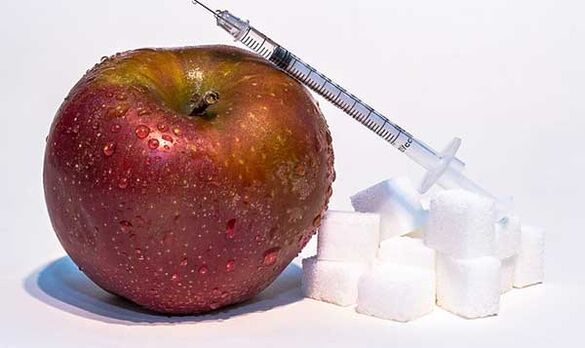
Metabolic syndrome is a metabolic disorder that significantly increases the risk of developing obesity, type 2 diabetes and heart disease.
Signs that a person has metabolic syndrome include:
- increased blood pressure;
- abdominal obesity (big belly);
- increased blood sugar levels (even if diabetes has not yet been diagnosed);
- poor lipid profile indicators (rules for self-deciphering cholesterol analysis).
All of these indicators can be improved without medication through lifestyle and diet changes, for example, switching to a ketone diet.
- Increasing the sensitivity of the body's cells to the hormone insulin plays an important role in the treatment and prevention of diabetes and metabolic syndrome.On a keto diet, insulin sensitivity increases by 75%.Some people with diabetes may even stop taking their medications.
- Lipid profile indicators are improving.Positive changes affect both cholesterol levels and triglycerides.
- Additional support for the body comes from the formation of ketone bodies, which in turn have beneficial properties.
What other therapeutic effects does the keto diet have?
- Help treat epilepsy.A recent meta-analysis of 70 clinical trials found that the keto diet reduced the number of seizures by 50% in 46-62% of cases.The exact mechanism of the diet's antispasmodic effect is not clear.Scientists believe that the positive effect may be due to an increase in the amount of the antioxidant glutathione in the mitochondria, an increase in the influence of the inhibitory neurotransmitters GABA and adenosine, etc.
- Therapy of Alzheimer's disease.Several small studies have shown that a ketone diet improves the condition of patients with mild Alzheimer's disease.In patients with this disease, the flow of glucose to the brain is impaired.And ketone bodies make it possible to provide energy to the brain without the participation of glucose, while reducing the toxic effect of glutamate.
- Support for patients with Parkinsonism.According to some studies, a low-carbohydrate diet is beneficial for people with Parkinson's disease because it prevents the death of dopaminergic neurons and damage to mitochondria.
- Help for children with autism.There is evidence that the keto diet improves behavior in children with autism.And it does this more effectively than the Atkins diet, the gluten-free diet and the casein-free diet.However, the data on this topic is still so sparse that it cannot be considered completely reliable.
- Cancer treatment.Tumor cells operate exclusively with glucose.You cannot get energy from ketone bodies.Therefore, switching to a ketogenic diet promotes cell death in malignant tumors.However, experts emphasize that the method can only be used in conjunction with chemotherapy and with the approval of a doctor.And you shouldn't have too high hopes for this approach.
- Improved skin condition.Especially getting rid of acne.Low insulin levels and dietary elimination of all processed foods from the diet eliminate chronic inflammation that affects the skin.
- Treatment of polycystic ovary syndrome.The disease is associated with impaired metabolism of glucose and androgens.Keto diet helps restore insulin sensitivity that women with polycystic syndrome suffer from.
What Not to Eat on the Keto Diet: Food List

- Sugar in any form.Prohibited foods include obviously sweet foods (candy, ice cream) and foods that do not seem sweet but contain this ingredient in their composition.It could even be store-bought ketchup.
- Cereal crops: wheat (including spelt), rye, barley, rice, corn.
- Vegetable oils that make you fat – soy, corn, sunflower, canola.And also trans fats.
- Fruit.With the exception of a few berries, such as strawberries.
- legumes.Beans, peas, lentils, etc. Can be used in green form, for example as bean pods.
- Tubers and rhizomes.Potatoes, carrots, beets, parsnips, etc.
- Any “dietary” foods, for example, low-fat cottage cheese (in such products, fat is replaced with sugar).
- Products with sweeteners in the form of sugar alcohols (xylitol, erythritol) have a negative effect on ketone bodies.
- Sauces and gravies in the preparation of which sugar, starch and flour were used.
- Alcohol.
- All finished products produced by the food industry.
Ketogenic Diet: What You Can and Should Eat
- All types of meat: beef, pork, poultry, lamb, etc.
- Fish and seafood.
- Eggs.
- Vegetables.Preferably green.Others are also allowed (tomatoes, eggplant, onions, peppers) - the main thing is that there is a lot of fiber and almost no easily digestible carbohydrates.
- Fatty dairy products – cream, butter, cheese.
- Nuts and seeds.
- Mushrooms.
- The right vegetable oils: olive, coconut oil, avocado.
- Fermented foods: natural yogurt, kefir, sauerkraut, etc.
- Spices and spices.
Sample menu for a week for women and men on a ketogenic diet
| Monday | Tuesday |
Breakfast: Omelet with bacon and tomatoes. Lunch: Cauliflower and broccoli soup in chicken broth, boiled chicken with sautéed eggplant and peppers. Dinner: a piece of red fish baked in sour cream with vegetable salad. |
Breakfast: Full-fat natural yogurt without sweeteners or flavorings with nuts and/or seeds. Lunch: Bone broth (preferably beef) with a hard-boiled egg, a piece of cooked beef with sauerkraut (not potatoes). Dinner: Chicken stewed with zucchini. |
| Wednesday | Thursday |
Breakfast: scrambled eggs with peppers. Lunch: Fish soup (no potatoes), pork chop with steamed green beans. Dinner: chicken breast baked in the oven with sour cream, cucumbers and tomatoes. |
Breakfast: cottage cheese of normal fat content without sugar and flavors. Lunch: mushroom soup (without potatoes and pasta), minced steak with egg and vegetable salad. Dinner: fish baked under a cheese crust with vegetables. |
| Friday | Saturday |
Breakfast: soft-boiled eggs with a piece of cheese. Lunch: sauerkraut soup (without potatoes), chicken liver stewed with sour cream and fried onions, with shirataki noodles. Dinner: Salad with fish and/or seafood (no potatoes and rice), but with green vegetables, tomatoes, etc. |
Breakfast: cottage cheese with herbs. Lunch: Bone broth with meatballs (no flour or bread), beef azu with stewed cabbage (fresh or sour). Dinner: boiled chicken with radish and cucumber salad. |
| Sunday | Let's move on to next week |
Breakfast: scrambled eggs with cheese. Lunch: light vegetable soup with cauliflower and broccoli (no potatoes), whole chicken baked in the oven, with cucumber and tomato salad. Dinner: Mushrooms stewed with sour cream, served with vegetable salad. |
We repeat the first week and try to give the menu maximum variety.There are a variety of recipes around the world that suit the keto diet. |
Rules to follow
- You can and should eat to the fullest without counting calories.
- You can only eat the right fats.This means that you can only cook with oil that can withstand heat treatment.Salads should only be garnished with the right dietary dressings.
- The diet should contain a lot of fat.You can't focus on proteins.
- Tea, coffee, instant chicory and many other drinks are allowed.The main selection criterion is the absence of sugar and sweeteners in the drink.
- You should try to add a large amount of spices to your food.
Proper snacks when losing weight on the ketogenic diet
Because the ketogenic diet doesn't require counting calories, snacking is not only allowed, but encouraged.But they have to be right.
Allowed:
- boiled eggs;
- meat chips;
- Cheese;
- Nuts, seeds and various pastes and oils prepared therefrom;
- Berries, for example strawberries with cream (however, you should not get carried away with berries);
- natural yogurt and other natural fermented milk products;
- all vegetables allowed in the diet and light salads prepared from them.
All dairy products, whether cheese or yogurt, should have a normal fat content.
What is “Keto Flu”: Symptoms
The first few days after switching to a low-carb diet can be tough.Unpleasant symptoms called “keto flu” are often observed.
Please note:
- constant feeling of hunger, especially cravings for sweets;
- Fatigue;
- Insomnia;
- Abdominal discomfort, stomach pain;
- nausea and vomiting; constipation or diarrhea;
- problems concentrating;
- headaches and dizziness;
- muscle pain and cramps;
- Irritability, tears.
How long does keto flu last?
From several days to several weeks.Associated with restructuring the body to use fat as its primary energy source.During adaptation, there may be insufficient energy, resulting in the unpleasant symptoms listed.But they pose no danger.
Ketone bodies are always present in small amounts in the blood.After the first 2-3 days of a strict carbohydrate-free diet, the liver begins to produce ketones and their level in the blood increases to 2-3 mM.
Adaptation is complete when cells exposed to carbohydrate starvation reduce the uptake of ketone bodies from the blood and increase their concentration to 8 mM.At this point, the effective transport of ketones across the blood-brain barrier begins.
It is not exactly clear why some people adapt to a keto diet easily while others find it difficult.A person's eating habits are believed to play a role.The more easily digestible carbohydrates he consumes, the more difficult the change is.Genetic predisposition plays a certain role.
How to get into ketosis quickly with a keto diet

- Correct water regime.When carbohydrates are removed from the diet, glycogen reserves in the body are reduced.Since glycogen accumulates water around itself, if its amount decreases, dehydration can occur, leading to fatigue and muscle pain.
- Only light physical activity.During the body's adaptation period, only light exercises are allowed: walking, yoga, slow cycling.Any kind of strenuous fitness should be avoided.
- Recommended mineral supplements:
- Sodium – 3-4 grams per day;
- Potassium – 1g;
- Magnesium – 0.3g.
Dietary supplements with creatine monohydrate and caffeine are also shown.
Keto breathing and the specific smell of urine
Switching to a low-carbohydrate, high-fat diet is often accompanied by the appearance of a certain bad breath.People often experience it as a metallic taste in their mouth.People around you usually perceive it as the smell of nail polish remover.Some people think it smells like fruit.Urine has the same smell.
The phenomenon is caused by the formation of the volatile ketone acetone, which is often found in nail polish removers.
The appearance of odor cannot be considered a side effect.It just means that the body switches to processing fats and creates ketone bodies.It is not dangerous to health.But it can be unpleasant for both the person himself and those around him, especially when it comes to breathing.
To reduce the severity of the symptom, you must:
- drink more fluids;
- eat less protein;
- Use mint gum;
- Slightly increase the amount of carbohydrates (only if you eat less than 50g per day).
After 1-2 weeks the smell should disappear on its own.
Long-term side effects of the keto diet
In addition to keto flu clearing up within a few weeks, this diet can cause delayed side effects.Possible:
- Problems with the digestive system caused by the absorption of excess fat and dysfunction of the intestinal flora;
- gradual increase in cholesterol levels;
- increased load on the kidneys, which can increase the likelihood of kidney failure and cause urolithiasis;
- reduced bone density.
Possible nutritional deficiencies on a long-term ketogenic diet

Since the diet cannot be called balanced, maintaining this diet for a long time may lead to a deficiency of some important components.
- Calcium.Leaves with urine.Because when there is excess fat, the urine becomes too acidic and the body is forced to alkalize it with calcium.In addition, a lack of carbohydrates impairs the absorption of this microelement.
- Magnesium.According to assumptions, the gradual development of deficiency is associated with the removal from the diet of foods rich in this microelement - grains and fruits.
- Iron.The abundance of fat in the diet impairs iron absorption.
- sodium and potassium.Due to reduced insulin levels, loss via the kidneys increases.However, unlike other microelements such as calcium or magnesium, whose deficiency becomes noticeable over time, potassium and sodium disappear quickly.And their deficiency is largely due to the symptoms of keto flu, which gradually disappear.
- Selenium.Deficiency can be a result of the lack of this trace element in high-fat foods.An exception is the Brazil nut, a piece of which provides 100% of the body's daily selenium requirement.
- Carnitine.The deficiency is related to the fact that the compound is used up too quickly on a fatty diet.
If you are following a keto diet for a long time, you should regularly check the levels of all substances whose deficiencies may develop over time.It is advisable to take nutritional supplements with nutrients that are in the “risk zone”.
Who should not switch to a keto diet: contraindications
- For children, pregnant and breastfeeding women, patients with diabetes and cancer, switching to the keto diet is permitted only on the instructions of the attending physician and under his supervision.
- The diet is contraindicated for people with the ApoE3 and ApoE4 genotypes, as it can lead to a life-threatening increase in cholesterol levels.
- Epilepsy patients with KCNJ11 and BAD genes should not be observed.
- Serious liver and/or kidney diseases are contraindications to following this diet.
Conclusion
The keto diet is a fairly strict nutritional system that requires an almost complete elimination of carbohydrates and the inclusion of a significant amount of fat in the diet.
Switching to a ketogenic diet is often difficult to endure.
Numerous reputable scientific studies have been devoted to the nutritional plan, many of which demonstrate its benefits in weight loss, treatment of type 2 diabetes and neurodegenerative diseases, normalization of lipid profile and elimination of metabolic syndrome.
However, there are not many studies that would evaluate the health effects of long-term dieting (more than a year).And according to some assumptions, constant exposure to such a diet can be harmful to health.